


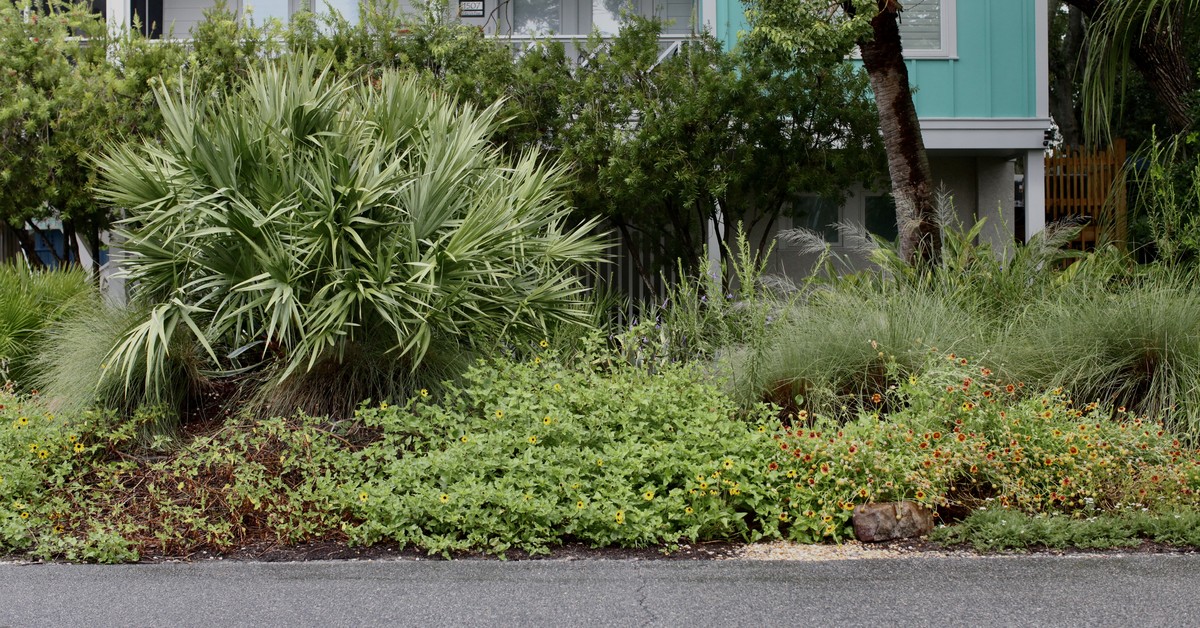
09 Jul Native Plants for Savannah Landscapes: A Homeowner’s Guide
By Kerry Shay, Co-Founder, Victory Gardens
If you’ve spent any time in Savannah, you’ve probably noticed how alive the landscape feels. The sprawling live oaks, the lush gardens with bright pops of color, the plethora of birds and butterflies. That’s what happens when plants are genuinely suited to where they’re growing.
Savannah sits in USDA Hardiness Zone 9a, which means mild winters, long growing seasons, and summers that are reliably hot and humid. The soil throughout much of the area is sandy, fast-draining, and shaped by the coast. Those are the conditions native plants evolved in over thousands of years. When homeowners choose Georgia native plants, they end up with landscapes that establish faster, need less water and fertilizer, and hold up to heat and salt air in ways that non-adapted plants simply don’t.
At Victory Gardens, native plants are central to the way we approach most of our projects. Not as a trend, but as a foundation for landscapes that actually belong here.
This guide is a starting point for homeowners curious about what that looks like. If you’d like to talk through your property specifically, we’d love to hear from you.
Why Native Plants Make Sense for Savannah
The short answer: native plants already know how to live here.
Zone 9a means long, hot summers and mild winters. Native plants evolved in exactly those conditions, so they don’t need extra coaxing to survive them. Non-native ornamentals often do. Regular irrigation, fertilizer, and seasonal intervention add up quickly in a coastal Georgia summer.
Savannah’s sandy coastal soil is another piece of the puzzle. It drains fast, holds heat, and has lower nutrient content than the clay-heavy soils found further inland. A lot of landscape plants sold at big-box nurseries are bred for average conditions. In Savannah’s soil, they struggle. Native plants have developed root systems and growth habits that work with this environment, not against it.
Then there’s the ecological case. Native plants support the insects, birds, and pollinators that depend on them for food and habitat. A landscape built around natives participates in the local ecosystem rather than sitting outside it. For homeowners who care about what their yard contributes to, not just what it looks like, that distinction matters.
Victory Gardens takes a holistic view of landscape design. We think about how water moves through a property, how soil health supports plant performance over time, and how planting choices ripple outward. Native plants are a core part of that thinking.
Native Plants That Work in Savannah
Below is a working list of native trees, shrubs, perennials, grasses, and ground covers that we love for coastal Georgia. Not every plant is right for every site. Soil type, sun exposure, drainage, and proximity to salt water all factor in.
Victory Gardens evaluates each property individually before making recommendations.
Trees
- Southern Live Oak (Quercus virginiana): The defining tree of Savannah. Exceptional shade, salt tolerance, and longevity. A cornerstone of any large-scale planting.
- Southern Red Cedar (Juniperus virginiana): Salt-tolerant, drought-hardy, and valuable for wildlife. Holds up in exposed coastal sites where other trees give up.
- Red Maple (Acer rubrum): One of the few native maples suited to the South. Tolerates wet conditions and brings real fall color to a region that doesn’t always get it.
- Eastern Redbud (Cercis canadensis): A smaller ornamental tree with striking spring blooms. Works beautifully in understory plantings and urban conditions.
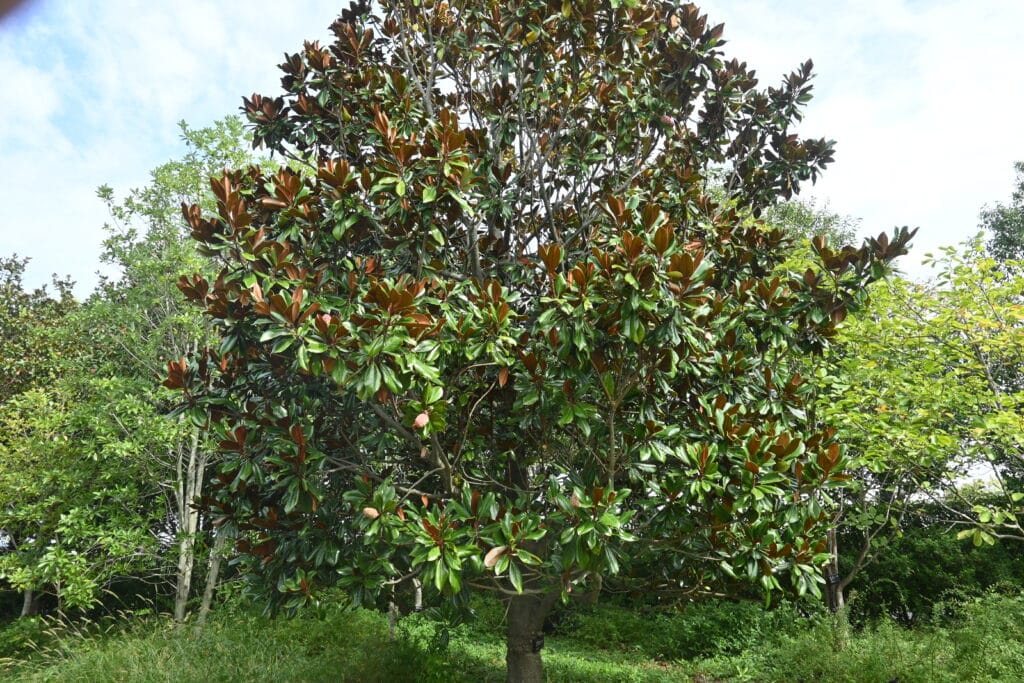
- Southern Magnolia (Magnolia grandiflora): A classic for a reason. Evergreen, broad-canopy, and deeply adapted to this region.
- American Fringe Tree (Chionanthus virginicus): Often overlooked, but worth knowing. Remarkable late-spring flowers, tolerates both wet and dry soils, and tends to stop people in their tracks when it’s in bloom.
Shrubs
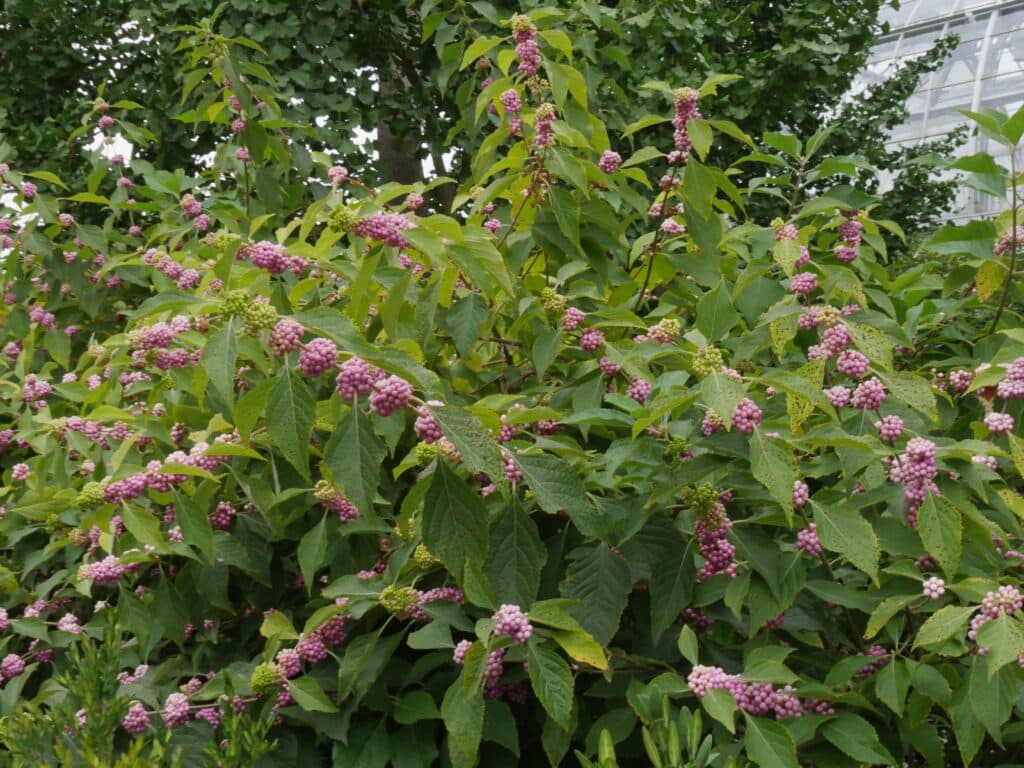
- American Beautyberry (Callicarpa americana): Striking purple berries in fall that birds absolutely love. Thrives in partial shade and sandy soil.
- Summersweet Clethra (Clethra alnifolia): Fragrant summer blooms, great for rain gardens and moist areas. Pollinators find it quickly.
- Viburnum (various native species): Versatile, multi-season interest, and strong wildlife value. Several species are native to coastal Georgia.
- Wax Myrtle (Morella cerifera): Evergreen, fast-growing, and extremely tolerant of both salt and drought. One of our most reliable choices for screening and coastal sites.
- Saw Palmetto (Serenoa repens): Tough, low-maintenance, and perfectly at home in sandy, dry, salty conditions.
Perennials, Grasses, and Ground Covers
- Black-Eyed Susan (Rudbeckia hirta): Long-blooming, drought-tolerant, and reliable for drawing pollinators to a sunny bed.
- Swamp Lily (Crinum americanum): Bold and architectural. A strong choice for wet areas or spots that flood periodically.
- Joe-Pye Weed (Eutrochium purpureum): Tall, late-summer blooms that butterflies genuinely favor. Works well in rain gardens and naturalized areas.
- Stokes’ Aster (Stokesia laevis): A compact perennial with a long bloom season and solid drought tolerance once it settles in.
- Yarrow (Achillea millefolium): Tough, low-water, and attractive to beneficial insects. A workhorse for dry, sunny beds.
- Blanket Flower (Gaillardia pulchella): Warm, saturated color and heat tolerance that suits sandy soils well.
- Purple Love Grass (Eragrostis spectabilis): Fine texture and airy fall color. Excellent for naturalized areas and anywhere you need erosion control without sacrificing beauty.
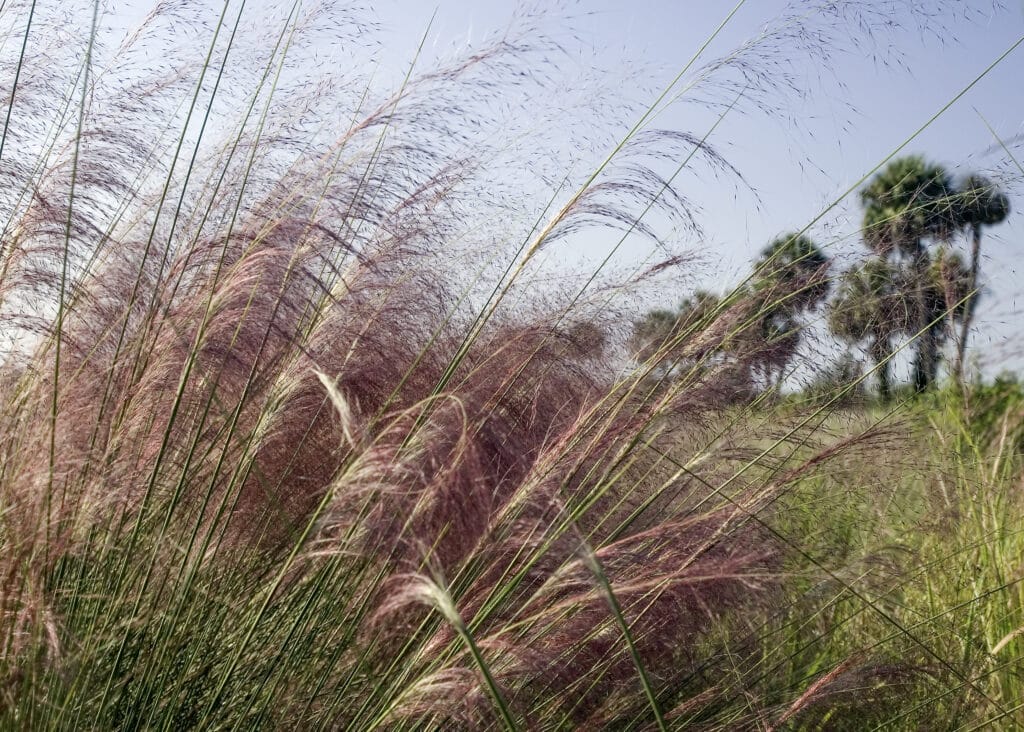
- Muhly Grass (Muhlenbergia capillaris): One of the showiest native grasses in the South. The pink fall plumes are genuinely spectacular, and the plant performs consistently in coastal conditions.
- Fakahatchee Grass (Tripsacum dactyloides): Large, bold, and well-suited to wet areas and rain garden edges.
What to Avoid
Two categories cause the most problems in Savannah landscapes. The first is plants selected for clay soils that don’t translate to sandy coastal conditions. The second is invasive non-natives that outcompete native plants before they have a chance to get established. Common culprits in this region include Chinese privet, Japanese honeysuckle, and Bradford pear. If any of these are already in your landscape, removal before introducing new native plantings is well worth it.
Adding Native Plants to an Existing Landscape
One of the most common questions we hear: can native plants be added to an existing landscape, or is it an all-or-nothing commitment?
Native plants integrate well into most established gardens. We work with homeowners at every stage, from a single bed conversion to a full property redesign.
Here’s what the process looks like when working with Victory Gardens:
Site preparation comes first. Before any plants go in the ground, we assess the site, address grading, and confirm the area drains correctly. Utilities are marked before any installation work begins.
Soil is amended in all planting beds. Sandy coastal soil benefits from organic matter, and we tailor our soil preparation to the specific plants and conditions of each site.
We install year-round. Savannah’s climate means there’s no hard stop on the planting calendar. Summer installations take extra care: proper hydration at planting, mulching to regulate soil temperature, and close monitoring through the establishment period. We plan for all of it and set clear expectations up front.
Irrigation is included in full installations. Newly planted natives still need consistent water to establish, especially through their first summer. Our irrigation systems are designed to support that establishment period and dial back as plants mature.
Native Plants by Neighborhood and Site Type
Savannah’s neighborhoods present genuinely different growing conditions. What works on Tybee Island isn’t always right for the Historic District. Here’s how we approach each area.
Historic District
Historic District properties often have limited soil depth, mature tree canopy, and urban heat effects. We focus on shade-tolerant understory plants: native ferns, beautyberry, and redbud tend to work well. Species that tolerate urban compaction and root competition are essential here. Soil amendment matters more in these constrained planting conditions than almost anywhere else we work.
Isle of Hope and Skidaway Island
Waterfront and near-waterfront properties in these areas contend with consistent salt air, wind exposure, and occasional deer pressure. Wax myrtle, saw palmetto, and live oak are workhorses here. We pay close attention to siting: sensitive plants go in protected locations, and salt-tolerant species serve as windbreaks for more refined plantings behind them.
Tybee Island
Tybee presents the most demanding conditions we work in. Extreme salt exposure, very low organic content in the soil, and consistent wind narrow the plant palette considerably. Southern red cedar, wax myrtle, saw palmetto, and sea oats (where appropriate) are among the most reliable choices. We’re upfront with clients here: fewer plants perform well on Tybee, and the ones that do need proper siting and real establishment support.
Frequently Asked Questions
What are the best native plants for a Savannah backyard?
It depends on the site: sun exposure, soil moisture, and proximity to salt water all factor in. That said, a few plants perform reliably across most Savannah backyards. Muhly grass and black-eyed Susan for sunny perennial beds, American beautyberry and wax myrtle for shrub structure, live oak or redbud for canopy. Victory Gardens walks through the site before making specific recommendations.
Do native plants need less maintenance in coastal Georgia?
Once established, yes. Native plants are adapted to Savannah’s soil, rainfall patterns, and climate, so they generally need less supplemental irrigation, fertilizer, and intervention than non-native ornamentals. The first growing season requires consistent watering and monitoring. After that, maintenance requirements drop significantly.
What trees are native to the Savannah area?
Native trees common to the Savannah region include Southern live oak, Southern red cedar, red maple, Eastern redbud, Southern magnolia, and American fringe tree. The live oak is the most iconic and ecologically significant. It supports hundreds of insect species and provides exceptional canopy cover and salt tolerance.
Can native plants work in a formal or high-end garden design?
Yes, and this is something we’re particularly experienced with. Native plants are not synonymous with wild or informal landscapes. Muhly grass, Stokes’ aster, redbud, and magnolia all work beautifully in refined, designed compositions. The key is thoughtful selection, proper spacing, and a design framework that gives native plants the structure to read as intentional.
What native plants attract pollinators in coastal Georgia?
Black-eyed Susan, blanket flower, Stokes’ aster, summersweet clethra, and Joe-Pye weed are among the strongest pollinator plants in this region. Muhly grass and beautyberry provide late-season food sources for birds. A layered planting, combining ground covers, perennials, shrubs, and trees, supports the widest range of pollinators and beneficial insects.
Does Victory Gardens design and install native plant landscapes?
Yes. Native and ecologically-minded planting is central to our design and installation practice. We work with homeowners throughout the Savannah area, from single-bed conversions to full property installations, and bring the same attention to native projects as to any other work we do.
Do you plant during the summer?
We install year-round, including summer. Summer plantings need additional care: proper hydration at planting, mulching to conserve moisture and regulate soil temperature, and monitoring through the establishment period. We build this into our project timelines and communicate clearly with clients about what to expect in that first season.
Do you prepare and amend the soil before planting?
Yes, always. Site preparation and soil amendment are standard parts of every Victory Gardens installation. We address grading, drainage, and soil conditions before any plants go in. In Savannah’s sandy coastal soil, organic matter addition is typically part of the process for all planting beds.
Work With Victory Gardens
Victory Gardens has been designing and installing landscapes in the Savannah area since 2013, with native and ecological planting as a core part of how we work. We think carefully about how plants relate to their site, how water moves through a landscape, and how design choices support both the homeowner’s vision and the health of the place itself.
If you’re interested in adding native plants to your property, whether as part of a full installation or a focused bed conversion, we’d welcome the conversation.
Reach out about your landscaping project, and a member of our team will be in touch.
No Comments