


11 Sep Landscaping for Savannah’s Coastal Conditions
By Kerry Shay, Co-Founder, Victory Gardens
Good landscaping in Savannah starts with getting to know Savannah itself.
The sandy soil, salt in the air, summer humidity, intense heat, and unpredictable storms all leave their mark on a landscape. They can make gardening here a little different, but they also give Savannah gardens much of their character.
At Victory Gardens, that local understanding comes from two places: horticultural expertise and years of hands-on experience working with this particular soil, coastline, and climate. Over time, we’ve learned what tends to thrive here, what needs a little extra consideration, and how a landscape can be designed to work with its surroundings rather than against them.
The right landscape isn’t about fighting Savannah’s conditions. It’s about understanding them from the start.
Here’s a closer look at what those conditions mean for your yard, what tends to work well, and how thoughtful design and maintenance can help your landscape thrive.
What Savannah’s Climate Actually Does to Your Yard
If you’ve ever wondered why a plant that looked perfectly happy in spring starts struggling by August, or why your irrigation schedule seems to work beautifully one week and not the next, Savannah’s climate may have something to do with it.
The good news is that once you understand what’s happening, many of these challenges become much easier to work with.
Humidity
Savannah’s summer humidity creates real fungal pressure for plants, particularly when there’s not enough airflow. That makes spacing and plant placement more important than they might seem when you’re choosing plants at the garden center.
A plant can look beautiful in a catalog and still be a poor match for a humid Savannah summer. Giving plants enough room to breathe, and choosing varieties that are comfortable in these conditions, can make a big difference once the heat and humidity settle in.
Sandy Soil
Sandy soil isn’t “bad” soil. It simply has its own personality.
Water and nutrients move through sandy soil quickly, which can make it harder for some plants to get established. Understanding the soil you’re working with and preparing it appropriately gives plants a better chance to develop strong roots and settle in.
Rather than trying to change Savannah’s soil completely, it’s often better to understand how it behaves and make planting choices that work with it.
Salt Air
You don’t have to live directly on the water for salt exposure to affect your landscape. Coastal conditions can reach farther inland than many homeowners realize.
Some plants handle salt beautifully. Others may look perfectly happy at first, only to slowly decline after a year or two. That’s why coastal exposure is worth considering when choosing plants, even if your property isn’t directly on the water.
Heat + Storm Cycles
Savannah’s weather has a way of keeping you on your toes. A stretch of intense heat and dry weather can quickly give way to a major rain event.
That can make watering a little more complicated than simply setting your irrigation system to run on the same schedule every week. Sometimes your landscape needs more water. Sometimes a storm has already provided plenty.
The goal isn’t to water more. It’s to give your landscape the water it needs, when it needs it.
What Actually Works Here
Once you understand Savannah’s conditions, the landscape decisions start to become a little clearer.
Choose plants that can handle the conditions
Plants that are native or well-suited to this climate are a natural starting point for a Savannah landscape. Whether native or a well-adapted introduction, the right plants are better equipped to handle the heat, humidity, soil, and other conditions they’ll encounter throughout the year.
But “native” isn’t the only consideration. Plant selection should also account for the particular conditions of your property, including sun, shade, drainage, salt exposure, and how you want to use the space.
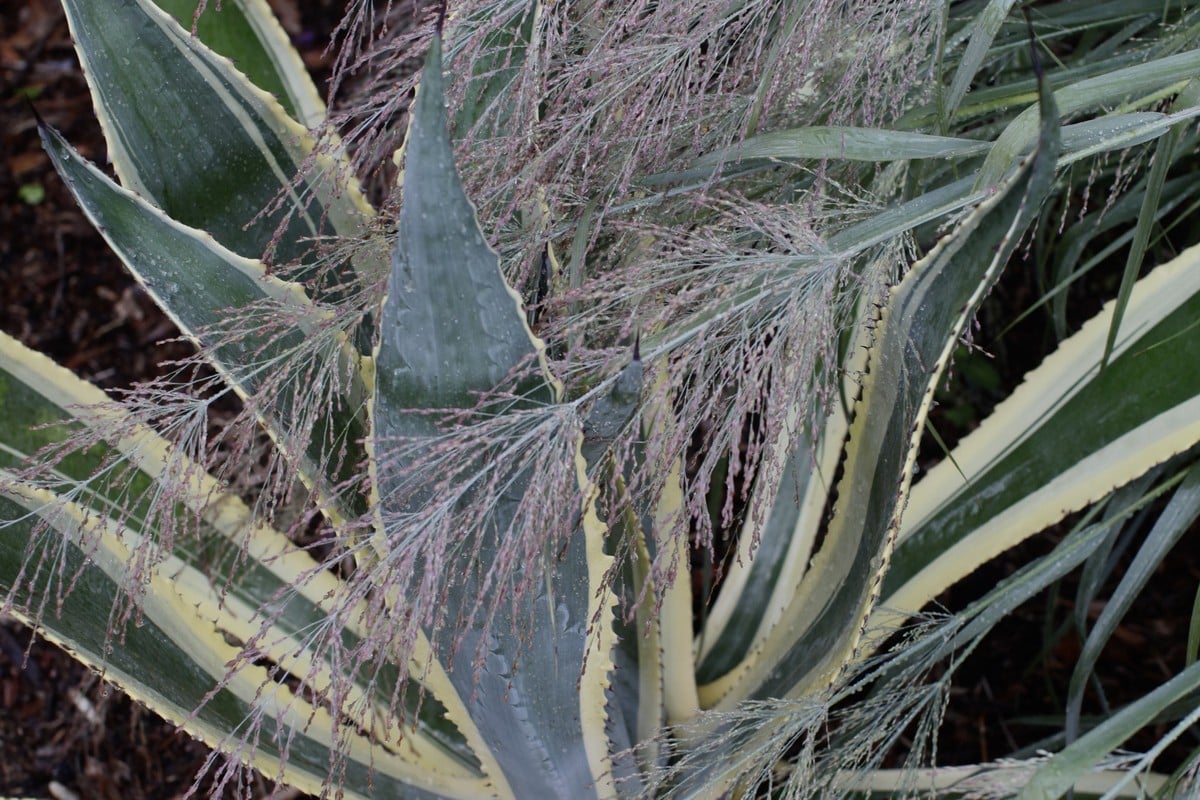
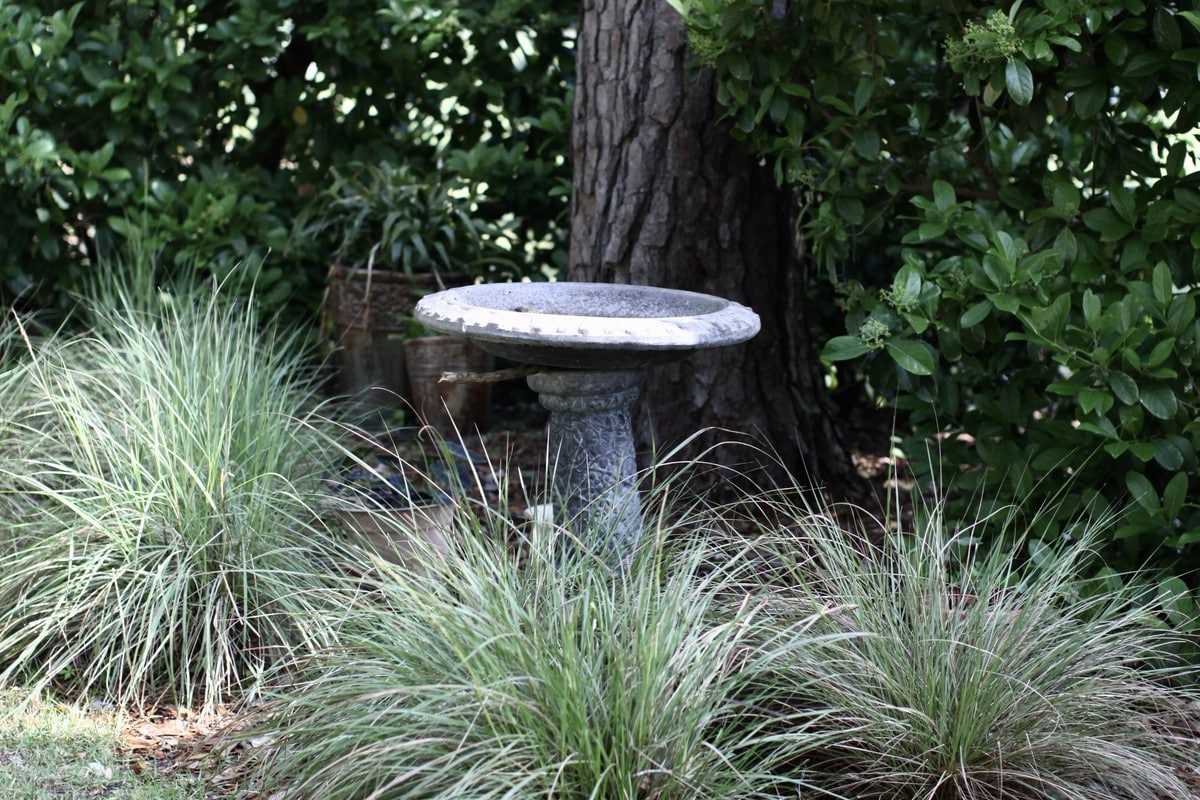
For coastal shrubs and hedges, Wax Myrtle and Podocarpus hold up well against Savannah’s salt and humidity. Saw Palmetto, Sabal Palm, and Coontie lean into the coastal look many homeowners want, while Live Oak and Magnolia bring shade and habitat value that only improve with age. Grasses like Fakahatchee, Muhly, Bushy Bluestem, and Lomandra add movement and texture, and perennials such as Echinacea, Black-Eyed Susan, Blanket Flower, and Stokes’ Aster round out a planting plan that holds up through the season.
Give the soil some attention
At Victory Gardens, that starts with removing invasive plants and weeds from the area. Once the site is cleared, we amend the soil with an organic planting mix that gives new plants a healthy start, and dress the base of each plant with a slow-release chicken manure fertilizer. For soil that’s historically been inhospitable to plants, we’ll take samples to the local extension office to get a clearer read on what that soil actually needs before we plant.
Think about water before there’s a problem
Water management is part of good landscape design. It’s not something to think about only after a drainage issue appears.
Grading, drainage, planting areas, and irrigation all work together. Thoughtful planning can help move excess water where it needs to go while making sure plants receive enough moisture during dry periods.
In areas where rainwater tends to collect, a rain garden can be one part of a larger approach to managing water on the property.
Design around the site
The best landscape plan isn’t simply a collection of plants that happen to grow in Savannah.
Plant placement, spacing, sun and shade, airflow, drainage, salt exposure, existing vegetation, and the way you use the property all matter. A thoughtful design considers how those pieces work together, not just how the landscape will look when it’s first installed, but how it will grow and change over time.
Smart Irrigation: A Better Fit for Savannah’s Weather
A landscape can be designed beautifully for Savannah’s climate and still be undermined by an irrigation system that doesn’t respond to the weather.
A fixed schedule may continue running after a significant rainstorm, or water the landscape the same way during a cool, wet stretch as it does during a period of intense summer heat. Savannah’s weather simply doesn’t always work that way.
That’s where smart irrigation can make things easier.
Victory Gardens specifies and installs Bluetooth-enabled smart irrigation timers that can be controlled remotely by the homeowner or the Victory Gardens team. The technology becomes part of the landscape’s overall irrigation system, giving the people caring for the property more flexibility to respond to what the landscape actually needs.
For seasonal homeowners, that flexibility can be especially helpful. You don’t have to be at the property to make an adjustment. If a storm moves through, you’re traveling, or the landscape needs less water than expected, the system can be adjusted or shut off remotely.
There’s a conservation benefit, too. Being able to respond to changing conditions can help avoid unnecessary watering, while compatible leak- or break-monitoring devices can help identify irrigation problems before they turn into bigger ones.
“Smart irrigation lets your landscape respond to the weather, even when you’re not home.”
The technology is only one part of the equation. What matters most is creating an irrigation system that works alongside the landscape and can adapt to the conditions your property actually experiences.
The Victory Gardens Difference
Knowing Savannah isn’t just about knowing which plants grow here. It’s about understanding how a property behaves over time.
Before making recommendations, Victory Gardens looks at the things that will shape the landscape long after installation: soil, drainage, sun and shade, exposure, humidity, salt, existing conditions, irrigation needs, and how the property will actually be used.
That local experience helps us make thoughtful decisions from the beginning.
It might mean choosing a different plant for an exposed area, addressing drainage before installing a planting bed, giving plants more room for airflow, or specifying an irrigation system that can be adjusted remotely when the weather changes. It’s all part of creating a landscape that feels at home in its surroundings, and continues to work well as the seasons change.
At Victory Gardens, we bring horticultural knowledge and years of experience working in Savannah to every landscape we create. We pay attention to the details that make a property unique, and use that understanding to create gardens that feel right for their surroundings.
Ready to create a landscape that’s made for your Savannah property? Talk with Victory Gardens about your landscape.


Frequently Asked Questions
Why do my plants keep dying in Savannah?
Savannah’s heat, humidity, sandy soil, salt exposure, and changing weather can all affect plant health. A plant may struggle because it isn’t suited to the site’s conditions, doesn’t have enough airflow, isn’t getting the right amount of water, or wasn’t given the right conditions to establish.
Sometimes the answer is a different plant. Sometimes it’s changing what’s happening around it.
What plants actually tolerate salt air?
Plants like Wax Myrtle, Saw Palmetto, Sabal Palm, Sea Oats, Muhly Grass, Southern Red Cedar, Blanket Flower, and Seaside Goldenrod hold up well in salty conditions. Salt tolerance is worth considering during plant selection, particularly for properties closer to the coast.
Is Savannah’s soil really that bad for landscaping?
Not at all. Sandy soil simply behaves differently from heavier soils.
Because water and nutrients can move through it quickly, some plants may need more thoughtful soil preparation and establishment care. Understanding the soil you’re working with is much more useful than simply calling it “bad.”
Do I need to worry about drainage in my Savannah yard?
It’s worth considering. Savannah can experience both periods of heavy rain and stretches of heat and dryness, so how water moves through your property matters.
Good grading, thoughtful planting, and appropriate drainage solutions can help prevent water from collecting where it shouldn’t. See our Rain Gardens & Yard Drainage Guide.
How often should I water my Savannah landscape?
There’s no single schedule that works for every Savannah landscape. Watering needs depend on the season, weather, soil, plant types, sun exposure, and how established the landscape is.
During periods of heat or drought, plants may need more water. After significant rainfall, they may need less, or none at all. That’s one reason responsive irrigation can be more effective than relying on a fixed schedule.
Are smart irrigation systems worth it in Savannah?
They can be especially useful here because weather conditions can change quickly. Smart irrigation gives homeowners and landscape professionals the ability to adjust watering remotely rather than relying entirely on a fixed schedule.
For seasonal homeowners, that can mean making changes while they’re away from the property. It can also help reduce unnecessary watering after rain and provide greater visibility into potential irrigation problems.
No Comments